

TLDR
Chiang Mai District covers six centuries of Lanna history in a 1.5 by 1.5 kilometre Old City. The core list: Wat Chedi Luang, Wat Phra Singh, Wat Phra That Doi Suthep, Elephant Nature Park, the Sunday Walking Street, a half day cooking class and the Chang Phueak night market. Three full days covers it, five gives breathing room.
Insider Tip
Hit Wat Chedi Luang at sunset rather than midday. The 60 metre partially collapsed 1441 chedi catches the golden light, the crowds thin as tour groups move to dinner, and a Monk Chat with the resident novices runs in the afternoon until 6pm. Entry is 40 baht.
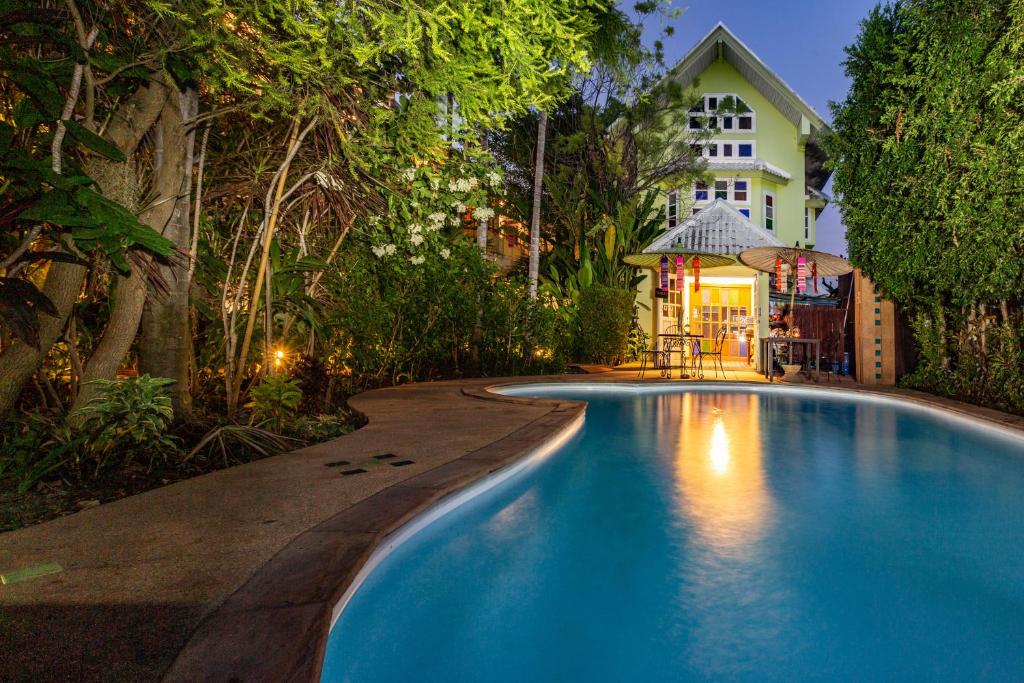
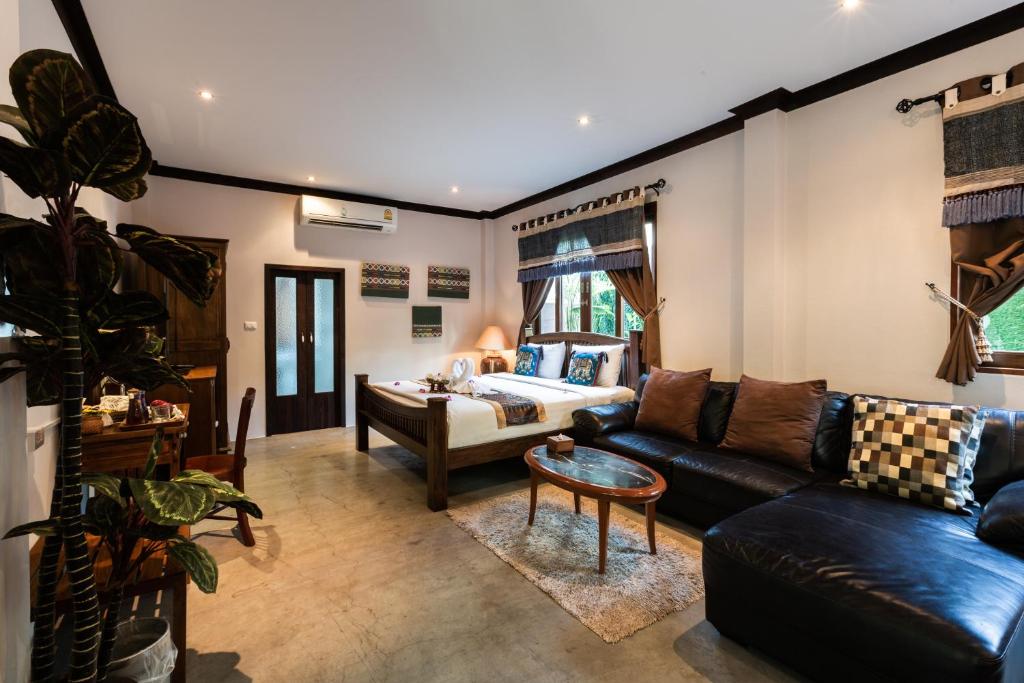
Planning your stay? Check current rates at The Twenty Lodge, a 10 minute walk to Wat Chedi Luang, Wat Phra Singh and the Sunday Walking Street.
Wat Chedi Luang and Old City Temples

Wat Chedi Luang inside the Old City is the most visually striking temple in Chiang Mai. The 60 metre partially collapsed chedi, built in 1441 and damaged by an earthquake in 1545, is the defining silhouette of the city. The nearby city pillar shrine (Sao Inthakin) holds the spirit of Chiang Mai in Lanna belief and is active during the Inthakin festival in May. Entry is 40 baht for foreigners, and the Monk Chat programme runs most afternoons 1pm to 6pm for free conversation with novice monks on Buddhism. See our doi suthep temple guide for the wider picture.
Wat Phra Singh at the west end of Ratchadamnoen Road holds the Phra Singh Buddha image (actually a replica; the original is in Luang Prabang). The main viharn has a gilded interior and the temple grounds open 6am to 8pm. Entry is free; donations welcome. Wat Chiang Man in the north east corner of the Old City is the oldest temple in the city, founded in 1296 by King Mengrai as the first building of the new capital.
Lesser visited but excellent: Wat Pan Tao next to Wat Chedi Luang is a teak wood viharn built from a former royal palace, with elaborate Lanna carvings and a quiet courtyard. Wat Phan On, Wat Suan Dok (home to a famous row of white chedi) and Wat Umong (a forested cave temple with meditation rooms) are the three Old City area temples to add if you have time for a deeper dive.
Wat Phra That Doi Suthep
Doi Suthep is the essential half day trip outside the Old City. The 1383 temple sits at 1,073 metres on the mountain, 15 kilometres west of Chiang Mai. Shared red songthaews from Chang Phueak Gate or Wat Phra Singh run 50 baht per person one way or 100 baht round trip. Entry is 50 baht, the 309 step Naga staircase or the optional 50 baht cable car lifts you to the terrace.
The central gilded chedi is the focus, with Thai pilgrims walking three clockwise circuits holding lotus flowers. The valley viewpoint from the south side of the complex gives the classic panoramic shot of Chiang Mai city below. Morning (before 9am) or sunset (5.30pm to 6.30pm) are the best windows. See the full Doi Suthep guide for detailed history and etiquette.
Combine Doi Suthep with Bhubing Palace (50 baht entry, 4 kilometres further up Route 1004, open 8.30am to 3.30pm) and Doi Pui Hmong Village for a full half day. Charter for the combined trip is 900 to 1,200 baht. The Tourism Authority of Thailand: Chiang Mai page has the latest official details.
Elephant Nature Park


Elephant Nature Park in Mae Taeng is the single most memorable day trip from Chiang Mai. The 2,500 baht ticket covers return transport from the city, a buffet lunch, an English speaking guide and a full day with 80+ rescued elephants. No riding, no shows, and a sanctuary model that has redefined ethical Thai elephant tourism since the 1990s.
Pickup from your Old City, Nimman or Riverside hotel is 7.30am to 8.30am. Arrival at the park 9.30am. Morning is herd observation and fruit basket feeding, lunch at the park cafe, afternoon is river bathing and optional visits to the dog and cat shelters. Return to Chiang Mai by 5pm.
Book direct at elephantnaturepark.org at least two weeks ahead in cool season. Half day morning or afternoon visits are 1,800 baht. See our detailed Elephant Nature Park guide for programme options and what to pack.
The Sunday Walking Street
Every Sunday from 4pm to midnight, Ratchadamnoen Road becomes a car free craft and food market from Tha Phae Gate to Wat Phra Singh. It is the strongest weekly market in Chiang Mai, with hundreds of artisan stalls selling Hmong textiles, handmade silver, lacquerware, celadon, oils and soaps. Quality is noticeably higher than the Chang Klan Road Night Bazaar because most vendors are actual artisans rather than third party resellers.
Street food lines the side streets and fills the temple courtyards. Northern sausage at 40 baht a stick, mango sticky rice at 50 to 70 baht, grilled river prawns around 100 baht, fresh coconut ice cream at 60 baht. Wat Pan Tao courtyard runs free live traditional Thai music as foot traffic peaks at 7pm; the seated audience on bamboo mats is as much a local institution as the market itself.
Arrive by 5pm to beat the peak 7pm crush. Walk the full length from Tha Phae Gate to Wat Phra Singh rather than stopping halfway; the quieter west end has the best craft stalls. Bring 1,000 to 2,000 baht in small notes and skip ATM visits once the market is running.
Thai Cooking Class
A half day Thai cooking class is one of the best value activities in Chiang Mai. You visit a market (usually Warorot or a local farm), learn 5 to 6 dishes (pad thai, green curry, tom yum, spring rolls, mango sticky rice), cook them yourself under instruction, and eat everything you make. Classes run 800 to 1,200 baht for half day, 1,200 to 1,800 baht for full day with farm visit.
Thai Farm Cooking School in Mae Rim runs on an organic farm with a classic half day setup at 1,200 baht. Basil Cookery School near Tha Phae Gate is the urban alternative with smaller class sizes and a focus on northern Thai. A Lot of Thai (run by the long tenured Chef Yui) gets strong reviews for teaching quality and vegetarian friendliness.
Ask about the class schedule when booking; Thai New Year (Songkran) and major Buddhist holidays may close schools. Vegetarian and vegan options are widely supported on advance request. Take the recipe book home; it genuinely helps recreate dishes once you are back in a home kitchen.
Muay Thai and Thai Massage
Chiang Mai has three main muay thai stadiums. Chiang Mai Boxing Stadium on Chang Klan Road runs ticketed fights most evenings from 9pm for 400 to 800 baht. Thapae Boxing Stadium on Moon Muang Road closer to the Old City is the second option. Loi Kroh Stadium near the Night Bazaar runs cards with slightly more tourist targeted atmosphere. Weekend nights bring the stronger cards.
The Kalare Night Bazaar upstairs ring runs free muay thai exhibition with a drink or meal in the courtyard, useful for a first taste of the sport before committing to stadium ticket pricing. Fights at the proper stadiums are real competition bouts with licensed fighters, not choreographed shows.
Thai massage is genuinely cheap in Chiang Mai. Lila Thai Massage (a respected chain run through the Chiang Mai Women’s Prison rehabilitation programme, with several Old City branches) charges 250 to 350 baht for a one hour traditional Thai massage, 500 to 700 baht for two hours. Fah Lanna is the upscale spa end at 900 to 1,500 baht for a ninety minute traditional massage. Both are excellent; the prison programme is the better known value pick.
Lesser Known Recommendations
Monk Chat at Wat Chedi Luang and Wat Suan Dok runs free English conversation sessions with novice monks on Buddhism and daily monastic life, typically afternoons 1pm to 6pm. It is a quiet low pressure way to engage with working Buddhism in Chiang Mai and get your questions answered by people actually studying the tradition.
Warorot Market (Kad Luang) on the Ping River west bank is the working local day market for fabric, dried goods, Hmong handicrafts and Thai Chinese food stalls. Opens 4am to 6pm. Morning flower market along Ping River runs seasonally. Somphet Market inside the Old City is a smaller neighbourhood version.
Huay Kaew Waterfall at the base of Doi Suthep (walking distance from CMU or Nimman) is a free forested picnic spot. Chiang Mai University Arts Centre courtyards, the Bamboo Market on Mondays at Thaphae Road, and Ethical Elephant Highlands at Mae Taeng (if you want an alternative to ENP) are three more options for travellers on longer stays.
You might also find these useful: Doi Suthep Temple Guide, Elephant Nature Park Guide, Chiang Mai Night Bazaar Guide.
“Wat Chedi Luang at sunset was the highlight of a week in Chiang Mai. The 60 metre partially collapsed chedi from 1441 is enormous up close, the resident monks do a Monk Chat in the afternoon and entry is only 40 baht.”
“Solid choice for Chiang Mai. Close to Somphet Market for breakfast and an easy walk to Wat Phra Singh. Night Bazaar a short songthaew away.”
Check current prices at The Twenty Lodge
The Twenty Lodge in Chiang Mai District, a solid base for exploring everything in this guide.
Check Available RoomsWe may earn a small commission if you book through this link. It does not cost you anything extra.
See The Twenty Lodge for Yourself
Browse All Photos on Booking.com →
This post contains affiliate links. We may earn a commission at no extra cost to you.
Frequently Asked Questions
See The Twenty Lodge for Yourself

Browse All Photos on Booking.com →
This post contains affiliate links. We may earn a commission at no extra cost to you.
What are the top things to do in Chiang Mai District?
Wat Chedi Luang and Wat Phra Singh inside the Old City, Wat Phra That Doi Suthep on the mountain, Elephant Nature Park in Mae Taeng, the Sunday Walking Street, a half day Thai cooking class and the Chang Phueak North Gate night market. Three full days covers the core without rushing, five gives you breathing room.
Is Wat Chedi Luang worth visiting?
Yes. The 60 metre partially collapsed 1441 chedi is the most striking structure inside the Old City walls. Entry is 40 baht for foreigners, Monk Chat runs at the temple hall most afternoons between 1pm and 6pm, and the old city pillar shrine (Sao Inthakin) on the grounds is still used in the annual Inthakin festival in May.
How do I get up to Doi Suthep?
Shared red songthaews leave from Chang Phueak Gate and Wat Phra Singh once they fill, at 50 baht per person one way, 100 baht round trip with a one to two hour wait. Private songthaew charter is 500 to 700 baht. Scooter riders climb Route 1004 for 30 minutes of switchbacks. See our full Doi Suthep guide for the 309 step staircase and chedi details.
What is the Sunday Walking Street?
Ratchadamnoen Road becomes a car-free craft and food market every Sunday from 4pm to midnight, running from Tha Phae Gate to Wat Phra Singh. It is the strongest market in the city for Hmong textiles, northern Thai snacks and handmade silver. Arrive by 5pm to beat the crush, and stop at Wat Pan Tao courtyard for live Thai music.
Is Elephant Nature Park worth the full day?
Yes, the 2,500 baht full day tour in Mae Taeng is the single most memorable experience for most Chiang Mai visitors. No riding, no shows, rescued herd of 80+ elephants and return transport included. Book direct at elephantnaturepark.org at least two weeks ahead in cool season. See our Elephant Nature Park guide for the full day breakdown.
How many days do I need in Chiang Mai District?
Three days covers the Old City temples, Doi Suthep and the Night Bazaar. Five days lets you add Elephant Nature Park and a cooking class. A week gives you time for a Pai or Chiang Rai day trip, a longer look at Nimman cafes and a slow Riverside evening. Ten days plus and you start considering motorcycle trips around the north.
Can I do a Thai cooking class?
Yes, Chiang Mai is one of the best cooking class cities in Thailand. Half day classes run 800 to 1,200 baht, full day with market visit 1,200 to 1,800 baht. Thai Farm Cooking School, Basil Cookery School and A Lot of Thai (run by Chef Yui) are three long running reputable options with English instruction.
Are the markets worth visiting?
Yes, and each is different. Warorot Market (Kad Luang) is the local day market east of the Old City with fabric, dried goods and food. Somphet Market inside the Old City is smaller and easier for a first visit. The Night Bazaar on Chang Klan Road runs every evening, and the Sunday Walking Street is the best weekly market. Morning flower markets also run seasonally along the Ping River.