

TLDR
November through February is the cool season sweet spot: 24 to 30 Celsius days, cool 15 to 18 nights, low humidity, clear skies. Avoid March and April when burning season air quality is hazardous. May to October is green rainy season with lower rates and brief afternoon storms. Yi Peng Lantern Festival is November.

Insider Tip
Mid to late November hits the jackpot: Yi Peng and Loi Krathong lantern festivals, freshly washed air from the last rains, cool nights perfect for evening walks and hotels not yet at full cool season prices. Book flights and accommodation 2 to 3 months ahead for the festival week.
Planning your stay? Check current rates at The Twenty Lodge, well located for Loi Krathong celebrations along the moat and Tha Phae Gate.
The Three Seasons
Chiang Mai has three distinct seasons, unlike the endless tropical heat further south. Cool season runs roughly November through February, hot and smoky season March through April, and green rainy season May through October. Understanding this cycle is the key to picking the right month for your trip. Altitude (the city sits at 310 metres) makes Chiang Mai noticeably cooler than Bangkok or Phuket year round, particularly at night. See our chiang mai district on a budget for the wider picture.
Cool season is the objective high season, with hotel rates 30 to 50 percent higher than green season and flights into CNX filling up in November, December and January. Hot and smoky season drives most air quality conscious visitors away, though hotel rates drop sharply. Green rainy season is the underrated sweet spot for budget travellers: warm but not punishing, lush green countryside, fewer crowds and the lowest prices of the year.
Elevation and the surrounding mountains give Chiang Mai its own microclimate. Doi Inthanon at 2,565 metres can drop to 5 Celsius at dawn in December even when the city below is 18. Doi Suthep at 1,073 metres runs 5 to 8 degrees cooler than the valley. Bring layers for any excursion into the mountains regardless of the season.
November to February: Cool Season
Daytime temperatures sit at 24 to 30 Celsius, nights drop to 15 to 20 in the city and 5 to 10 at altitude. Humidity is low (often under 60 percent), skies are clear, and the valley views from Doi Suthep stretch to the horizon. Rain is minimal; light showers are possible in early November as the monsoon winds down, almost nothing from December to February.
The Yi Peng Lantern Festival and Loi Krathong fall on the full moon of the twelfth lunar month, usually early to mid November. Sky lanterns rise across the city, krathong floats drift down the Ping River, and the ticketed Mae Jo University mass release (3,500 to 11,000 baht) is the bucket list centrepiece for many visitors. Book flights and accommodation 3 months ahead for festival week.
December and January are peak cool season with the highest hotel rates and most visitor traffic. Christmas to New Year sees rates rise another 30 percent. Chinese New Year (late January or early February) fills the Old City with Chinese visitors and tour groups. February is slightly quieter and still has strong weather, making it the best month for serious temple photography and Doi Inthanon trekking. The IQAir live Chiang Mai air quality page has the latest official details.
March to April: Hot and Smoky Season
Temperatures climb to 36 to 40 Celsius daytime, humidity stays low but the heat is punishing on any outdoor activity after 10am. The bigger problem is air quality. Farmers across northern Thailand, Laos and Myanmar clear fields by burning through March and April, and the smoke settles in the Chiang Mai valley with little wind dispersion. PM2.5 readings can exceed 300 on the AQI scale, classified as hazardous.
March is typically the worst month, with readings easing as pre-monsoon rains arrive in late April. If you have asthma, young children or respiratory issues, avoid this window entirely. If you do visit, pack N95 masks, stay indoors during peak afternoon smoke, skip Doi Suthep and mountain viewpoints (visibility drops to under 5 kilometres), and consider a detour to the islands where the smoke does not reach.
Songkran (Thai New Year) from 13 to 15 April is the major festival of the period. The entire Old City becomes a citywide water fight that is genuinely chaotic and fun for three days. Hotels fill and rates rise 40 to 60 percent for Songkran week. Once the rains break at the end of April, air quality clears within a week or two and temperatures drop slightly.
May to October: Green Rainy Season
The monsoon rains arrive in May and peak in August and September, with 20 rain days a month and total rainfall around 200 to 300mm monthly. Most downpours are heavy afternoon bursts of an hour or two rather than all day rain. Mornings stay dry, late afternoon storms pass quickly, and evenings are often clear. Temperatures sit at 24 to 32 Celsius with higher humidity.
The countryside turns brilliant green as rice paddies grow and the mountain forests thicken. Waterfalls (Bua Tong, Mae Sa, Wachirathan) hit their strongest flow in August and September. Hotel rates drop 20 to 40 percent across the city, and the tourist flow falls by roughly half. This is the best window for budget travellers and anyone who wants the Old City without the crowds.
Practical disadvantages: some mountain roads can close briefly after heavy rain, scooter riding gets slippery on painted road markings, and serious monsoon days disrupt tours. Build a buffer day into your itinerary for weather flexibility. Pack a compact umbrella or poncho and quick dry trousers. Mosquitoes are worse in rainy season; bring repellent with DEET or picaridin.
Festivals by Month
January: Bo Sang Umbrella Festival (third weekend), the traditional handpainted umbrella village displays thousands of parasols and traditional Lanna crafts. Chinese New Year falls late January or early February depending on the lunar calendar.
February: Flower Festival (first weekend), with elaborate flower floats parading from the Old City to Buak Hard Park. Magha Puja, a Buddhist holy day, brings the annual walking pilgrimage up Doi Suthep overnight.
April: Songkran 13 to 15, the Thai New Year water fight festival, three days of citywide soaking with concerts, food stalls and temple ceremonies. This is the most disruptive festival for practical travel; roads are wet, temples busy with merit making.
November: Yi Peng Lantern Festival and Loi Krathong, the twin festivals on the full moon of the twelfth lunar month. Sky lanterns and river floats across the entire city. Book accommodation 3 months ahead.
December: Chiang Mai Design Week (first week of December) and New Year Eve celebrations at Tha Phae Gate.
Best Months for Different Visitor Types
For first time visitors: November is the optimal month. Cool season weather, the Loi Krathong and Yi Peng festivals, freshly washed air from the end of the rains, and hotels still ramping up to peak rates rather than at full December pricing.
For photographers: December and January for clear skies, sharp mountain light and crisp temple colours. February for cool season without December holiday crowds.
For budget travellers: June, July and early October. Cheapest hotel rates of the year, green landscapes, fewer crowds. Accept afternoon storms as the price of admission.
For families with young children: late November to mid December for the most predictable weather without peak Christmas crowds. Avoid March to April burning season completely.
For digital nomads and long stays: November to February for short term trips, June to October for low rent monthly apartments (10,000 to 18,000 baht a month in Santitham or Nimman).
Booking and Price Strategy
Flights into Chiang Mai International Airport (CNX) from Bangkok run 800 to 1,800 baht on domestic budget carriers (AirAsia, Nok, Thai VietJet), higher during cool season and holiday weeks. International flights from Kuala Lumpur, Singapore, Hong Kong and Seoul peak in November and February. Book domestic flights 4 to 6 weeks ahead in high season, international 2 to 3 months ahead for best rates.
Hotel rates vary sharply across the year. A 1,500 baht room in August can hit 2,500 baht in December and 3,500 during New Year or Yi Peng. Book at least 2 months ahead for cool season, 1 month ahead for green season. Cancellation flexible rates are worth the small premium if your travel dates are not locked.
Tour operators also price by season. Doi Inthanon, Chiang Rai and Elephant Nature Park tours run 10 to 20 percent lower in green season. Check IQAir.com for live air quality before committing to burning season dates; decisions around early March should factor PM2.5 readings as seriously as the forecast.
You might also find these useful: Chiang Mai District on a Budget, Is Chiang Mai District Safe?, Chiang Mai District Travel Tips.
What Guests Say About Staying in Chiang Mai District
Guest rating: 4.7/5 (338 reviews).
A very beautiful hotel with a unique atmosphere. The lovely design and abundance of greenery make it easy to relax and truly unwind. The breakfasts are delicious and varied. The staff deserve special praise – extremely kind, helpful, and always smiling, with excellent service throughout the stay.
What Guests Say About Staying Here
Guest rating: 4.7/5 (338 reviews).
This place by far was the cleanest hotel we stayed at in our 8 weeks in Thailand. Great staff, friendly and always willing to help. The room was spacious, clean and comfortable. I inadvertently misplaced the room key when we left.
See What The Twenty Lodge Looks Like
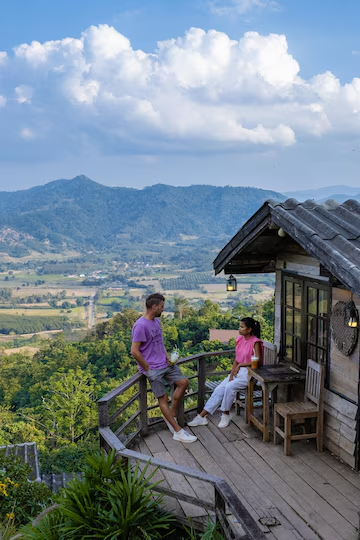
Check current prices at The Twenty Lodge
The Twenty Lodge in Chiang Mai District, a solid base for exploring everything in this guide.
Check Available RoomsWe may earn a small commission if you book through this link. It does not cost you anything extra.
Frequently Asked Questions
When is the best time to visit Chiang Mai District?
November through early February is the sweet spot: cool season with daytime temperatures 24 to 30 Celsius, nights down to 15 to 18, low humidity and clear skies. The Yi Peng and Loi Krathong lantern festivals fall in November and fill the Old City with sky lanterns.
When is the smoky season in Chiang Mai?
Late February through mid April is burning season when farmers clear fields across northern Thailand and Laos. PM2.5 levels can hit hazardous readings above 300 on the AQI scale, with March typically the worst month. Avoid this window if you have asthma, young children or respiratory issues.
What is the rainy season like?
The main rains run from June to October, peaking in August and September with roughly 20 rain days a month. Most downpours are heavy afternoon bursts of an hour or two rather than all day rain. Temperatures stay warm at 24 to 32 Celsius, the forests and rice paddies look brilliant green and hotel rates drop 20 to 40 percent.
When is Yi Peng Lantern Festival?
Yi Peng falls on the full moon of the twelfth lunar month, usually late October or November, and coincides with Loi Krathong. The mass sky lantern releases at the official Mae Jo University ceremony require tickets bought months ahead at 3,500 to 11,000 baht. Free lanterns and krathong floating happen around the Old City moat and along the Ping River without tickets.
Is it too hot to visit in hot season?
April and early May are the hottest months with daytime highs of 36 to 40 Celsius and thick smoky haze. Songkran (Thai New Year) runs 13 to 15 April with citywide water fights that double as natural cooling. Outside Songkran, early starts before 10am and shaded afternoons are the realistic approach.
Does Chiang Mai District get crowded around holidays?
Chinese New Year (late January or early February), Songkran (13 to 15 April), Yi Peng and Loi Krathong (November) and Christmas to New Year are the peak weeks. Hotel rates rise 40 to 100 percent in the Old City and Nimman, and flights into CNX fill up. Book accommodation and flights 2 to 3 months ahead for these dates.
What should I pack for Chiang Mai District?
Lightweight cotton or linen clothing, a light sweater or fleece for cool season evenings, modest cover ups for temples, walking shoes, sun hat, strong sunscreen and insect repellent. Rainy season needs a compact umbrella or poncho and quick dry trousers. Hot season plus burning season merits an N95 mask if you are sensitive to air quality.
What month has the best hotel deals?
May through early July usually offers the lowest rates, with rooms 20 to 40 percent below November pricing. Mid October before the peak arrivals is another quiet window. Expect afternoon rain in exchange, which is a fair trade if you plan morning temple visits and book a base with a pool or good cafe to wait out downpours.
Planning a Stay in Chiang Mai District?
Guest rating: 4.7/5 (338 reviews). Check prices and availability for The Twenty Lodge on Booking.com, or compare other places to stay nearby.
Check AvailabilityWe may earn a small commission if you book through this link. It does not cost you anything extra.
Staying at The Twenty Lodge? Browse rooms, facilities and more local guides.
Back to The Twenty Lodge