
TLDR
Chiang Mai District is one of the safest destinations in Thailand for visitors. Violent crime is rare, the Old City and Nimman feel calm after midnight, and the genuine risks are scooter accidents, burning season air quality (February to April) and petty tuk tuk or gem shop scams near Tha Phae Gate. This guide covers what to watch for and how to handle each one.
Insider Tip
Skip any tuk tuk driver near Tha Phae Gate offering a cheap city tour for 100 baht. The hook is a commissioned gem or tailor shop detour. Use Grab for long rides, songthaews for short hops inside the Old City (fixed 40 baht), and the problem disappears.
Planning your stay? Check current rates at The Twenty Lodge, inside the calm walkable Old City with Grab pickups in under 5 minutes.
Overall Safety Picture
Chiang Mai District is consistently ranked among the safer city destinations in Southeast Asia. The 2024 Global Peace Index and the UK Foreign Office advisories both describe Thailand overall as safe for most tourism, with the only serious concerns limited to the Yala, Pattani and Narathiwat provinces in the far south (not relevant to Chiang Mai). Chiang Mai Province itself has no active travel warnings. See our chiang mai district travel tips for the wider picture.
Violent crime against tourists is rare. Most incidents that draw headlines involve expat community disputes rather than visitor targeting. The realistic risks a short stay visitor faces are, in rough order of likelihood: scooter accidents, pickpocketing at dense markets, burning season respiratory issues in March, tuk tuk gem shop scams, and the occasional late night alcohol related incident around the Thapae nightlife strip.
Normal common sense applies. Carry a copy of your passport rather than the original on day trips, keep valuables in a hotel safe, register your stay with your embassy for long trips if advised, and download Grab and Google Maps offline before you land. Emergency number is 191 (police), 1669 (ambulance), and the Tourist Police hotline 1155 has English speakers 24 hours.
The Burning Season Problem
The single biggest health risk for visitors is air quality during burning season, which runs roughly late February through mid April. Farmers across northern Thailand, Laos and Myanmar clear fields by burning, and the smoke settles in the Chiang Mai valley with very little wind dispersion. PM2.5 readings can exceed 300 on the AQI scale, which is classified as hazardous by the US EPA and WHO.
March is typically the worst month, with April easing as pre-monsoon rains arrive. If you have asthma, young children or existing respiratory conditions, avoid this window or book a hotel with serious air purification (look for HEPA-rated in-room filters, not just AC). Check air quality daily on IQAir (iqair.com) or the Thai Pollution Control Department app before planning outdoor days.
If you do visit in burning season, pack N95 or KN95 masks, stay indoors during peak afternoon smoke, skip mountain viewpoints (you see nothing), and consider a day trip to the coast or to lower altitude Pai where the valley effect is less severe. Indoor cafes and shopping centres are fine. Big temple courtyards, Doi Suthep viewpoints and the moat walk are not. The UK Foreign Office Thailand travel advice page has the latest official details.
Tuk Tuk and Taxi Scams
The classic Chiang Mai tourist scam is the gem shop detour. A tuk tuk driver near Tha Phae Gate, the Night Bazaar or Warorot Market offers a cheap 100 to 200 baht city tour, then takes you to a gem or tailor shop for a commission on anything you buy. Prices at these shops are massively inflated and the stones often of questionable grade. Do not engage at all; say “mai ao khap / ka” (no thanks) and walk away.
A second variation is the “this temple is closed today” scam near Wat Phra Singh or Wat Chedi Luang. A local or a tuk tuk driver tells you the main temple is closed and offers to take you to a “better” temple, which is another gem or tailor setup. Temples in Chiang Mai are essentially never closed to visitors outside major renovations; ignore the hook and walk directly to the main entrance.
For honest prices, use shared red songthaews at a fixed 40 baht per person inside the Old City and Nimman, or 100 to 150 baht for Doi Suthep charters. Grab and Bolt run metered equivalent rates from 60 to 200 baht across town. Tuk tuks are fine when booked through your hotel at a set price (usually 80 to 150 baht for short rides) and not for flagged street rides with negotiation.
Scooter and Road Safety
Scooter accidents are the leading cause of tourist hospitalisation in Thailand, Chiang Mai included. Only rent if you have ridden before, always wear the helmet that comes with the bike, and check that your travel insurance explicitly covers motorbikes and the correct licence class (most policies require an A1 motorcycle licence, not a car licence). Thai police run licence checkpoints around Chiang Mai daily, with a 500 baht fine for riding without the right licence.
Roads inside the Old City are calm and slow. Route 1004 up Doi Suthep is steep with blind switchbacks; skip it if you are a new rider. Route 1141 (the airport and inner ring road) and Huay Kaew Road carry fast traffic during rush hour and are the main accident zones. Rain makes painted road markings very slippery; stay off bikes in heavy afternoon downpours between June and October.
If you do have an accident, call your travel insurance 24 hour hotline before agreeing to hospital transfer. Chiang Mai Ram Hospital on Boonruangrit Road and Bangkok Hospital Chiang Mai on Chang Klan Road are the two go-to private options for serious injuries, with direct billing for most international travel insurers. Public hospitals (Maharaj Nakorn Chiang Mai) are functional but slower on paperwork.
Solo Female Safety
Chiang Mai is one of the easier cities in Southeast Asia for solo female travellers. Hostels run plenty of female-only dorms at 250 to 450 baht, the Old City is walkable between cafes, coworking spaces and temples at any daylight hour, and harassment on the street is uncommon. Normal precautions apply: avoid leaving drinks unattended, book registered Grab or airport taxis after midnight, and keep a hotel business card with the Thai address for drivers who do not read Roman script.
Bars around Zoe in Yellow and the Loi Kroh strip are the main late night zones. Stay aware in these areas, watch drinks when buying rounds, and travel back to your hotel in a Grab rather than walking after 1am. For massage, go to licensed shops rather than storefronts offering suggestive pricing. Lila Thai Massage and Fah Lanna are two female-run mid range chains with clean practices and strong reviews.
Monk Chat at Wat Chedi Luang (afternoons, free) is a relaxed low pressure way to chat with novice monks about Buddhism and practise conversation. Women cannot touch monks or hand items directly to them; use a small table or cloth as a passing surface.
Evening and Nightlife Advice
Chiang Mai nightlife is calm by Bangkok or Phuket standards. Zoe in Yellow near Ratwithi Road is the main backpacker bar strip inside the Old City. Loi Kroh Road east of the moat has the bar girl economy (hostesses, muay thai ringside seating, foot massage combos) and is the one area where touts get pushier and the vibe is more visibly for male visitors. Nimman bars lean more local and student oriented.
Riverside bars like The Good View and The Riverside Bar are quieter dinner and live music spots closer to 1am closing time. Drinks are 80 to 150 baht for a local Chang or Leo beer, 200 to 400 baht for cocktails. Bar alcohol is cut off by law at midnight on most nights and 2am in certain licensed zones, though enforcement is uneven.
Drink spiking is not a major reported issue in Chiang Mai, unlike parts of the Thai islands, but basic precautions are still sensible. Stick to bottled beer you open yourself at packed bars, avoid buckets shared with strangers, and never accept pills from anyone offering “yaba” or similar (these are serious felony charges in Thailand).
Travel Insurance and Medical Care
Travel insurance that covers both motorbikes and emergency evacuation is essential for any Chiang Mai trip that involves scooters, trekking or elephant camps. Recommended minimum medical cover is 2 million USD with direct billing, World Nomads, SafetyWing and Cover-More being three common options among the visitor community. For long stays, expatriate-level policies from Cigna Global or April International give better Thailand specific networks.
Private hospitals in Chiang Mai provide English speaking doctors, short waits and international standard care. Ram Hospital on Boonruangrit Road is the main local private option with a large international patient desk. Bangkok Hospital Chiang Mai on Chang Klan Road is more upscale and expensive. McCormick Hospital on Kaew Nawarat Road is a middle tier private option with Chiang Mai University medical faculty links.
Pharmacies (look for the green plus sign) sell most over the counter medications including antibiotics without prescription, at a fraction of western prices. Boots and Watsons chains sit in every mall. Keep a small first aid kit for scrapes, antihistamines, rehydration salts, and any prescription medication in original packaging with a doctor’s note.
You might also find these useful: Chiang Mai District Travel Tips, Chiang Mai District Neighborhood Guide, Things to Do in Chiang Mai District.
What Guests Say About Staying in Chiang Mai District
Guest rating: 4.7/5 (338 reviews).
A very beautiful hotel with a unique atmosphere. The lovely design and abundance of greenery make it easy to relax and truly unwind. The breakfasts are delicious and varied. The staff deserve special praise – extremely kind, helpful, and always smiling, with excellent service throughout the stay.
What Guests Say About Staying Here
Guest rating: 4.7/5 (338 reviews).
This place by far was the cleanest hotel we stayed at in our 8 weeks in Thailand. Great staff, friendly and always willing to help. The room was spacious, clean and comfortable. I inadvertently misplaced the room key when we left.
See What The Twenty Lodge Looks Like
Check current prices at The Twenty Lodge
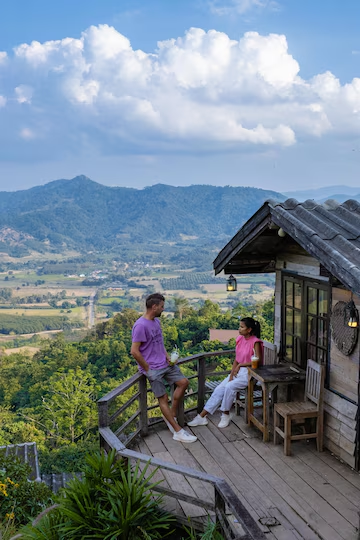
The Twenty Lodge in Chiang Mai District, a solid base for exploring everything in this guide.
Check Available RoomsWe may earn a small commission if you book through this link. It does not cost you anything extra.
Frequently Asked Questions
Is Chiang Mai District safe for tourists?
Chiang Mai District is one of the safest areas in Thailand for visitors. Violent crime against tourists is rare, the Old City and Nimman feel calm even after midnight, and the biggest actual risks are scooter accidents, petty theft at markets and the occasional tuk tuk or gem scam near Tha Phae Gate.
Is it safe to walk at night?
Walking inside the Old City, along the Ping River and through Nimman is generally safe at night thanks to good lighting and steady foot traffic. Stick to lit main sois, keep phones in pockets on quieter stretches and take a Grab after midnight if you have been drinking in the Zoe in Yellow area.
Are tuk tuk and taxi scams common?
The main one is the gem shop detour: a tuk tuk driver near Tha Phae Gate offers a cheap tour then takes you to a gem or tailor shop for commission. Decline politely, insist on going directly to your stated destination, or use Grab to skip the problem entirely. Songthaew rides inside the Old City are a fixed 40 baht.
What about the smoky season?
February through April is the burning season when farmers clear fields across northern Thailand and Laos. Air quality can reach hazardous PM2.5 levels, sometimes above 300 on the AQI scale. If you have asthma or young children, avoid March and early April or book a hotel with strong air purifiers.
Is Chiang Mai District safe for solo female travellers?
Yes, it is one of the easier solo trips in Southeast Asia. Hostels run plenty of female dorms, the Old City is walkable between cafes and coworking spaces, and harassment is uncommon. Normal precautions apply: avoid leaving drinks unattended, book registered Grab or airport taxis, and keep a hotel card with the Thai address for drivers.
How dangerous is scooter rental?
Scooter accidents are the leading cause of tourist injuries in Thailand. Only rent if you have ridden before, always wear a helmet, and check that your travel insurance covers motorbikes and that your licence is valid (most policies require an A1 motorcycle licence, not a car licence). Roads inside the Old City are calm, Route 1004 up Doi Suthep is steep with blind corners.
Do I need travel insurance?
Yes, and pick a policy that covers motorbike riding and mountain activities if you plan on either. A broken wrist from a scooter spill can run 30,000 to 60,000 baht at Bangkok Hospital Chiang Mai without insurance. Ram Hospital on Boonruangrit Road and Chiang Mai Ram Hospital are the two go to private options for serious issues.
Are the temples safe to visit?
Temples are safe and welcoming. Dress modestly (cover shoulders and knees for both men and women), remove shoes before entering any building with a Buddha image, and do not touch monks if you are a woman. Entry is usually free for the main Old City temples, 30 to 50 baht for Wat Chedi Luang and Wat Phra That Doi Suthep.
Planning a Stay in Chiang Mai District?
Guest rating: 4.7/5 (338 reviews). Check prices and availability for The Twenty Lodge on Booking.com, or compare other places to stay nearby.
Check AvailabilityWe may earn a small commission if you book through this link. It does not cost you anything extra.
Staying at The Twenty Lodge? Browse rooms, facilities and more local guides.
Back to The Twenty Lodge